
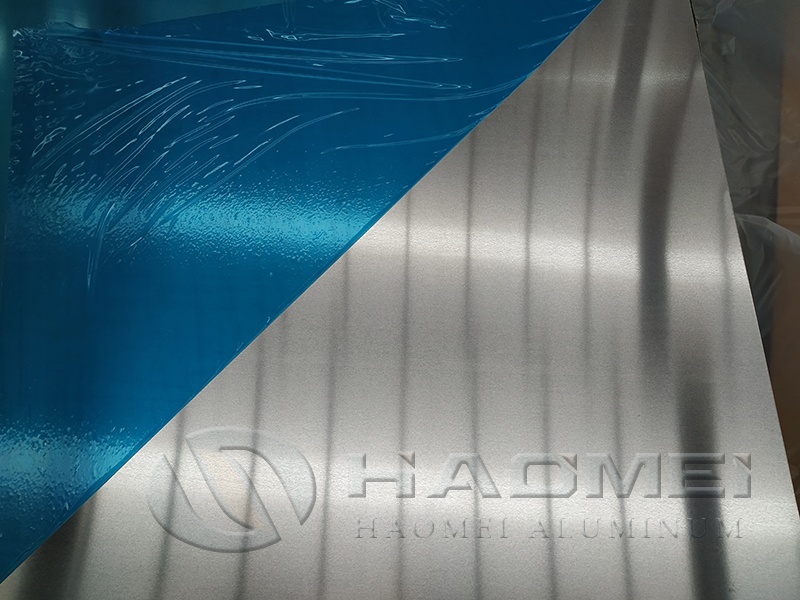
6016 aluminum is a 6xxx-series Al-Mg-Si alloy best known for excellent formability, good corrosion resistance, and strong bake-hardening responsemaking it a common choice for automotive outer panels and other stamped parts. For bulk buyers sourcing automotive aluminum sheet, the main confusion usually comes from (1) which temper to buy, (2) how bake hardening changes final strength, and (3) what to specify to avoid surface or flatness issues.
What 6016 aluminum is and why buyers choose it
6016 aluminum is designed for parts that need to be formed easily first and then gain strength during paint-bake cycles (typical in automotive body shops). Compared with many other aluminum grades, its combination of deep drawability + post-bake strength is the value driver.
Typical bulk-purchase scenarios:
Automotive body panels (outer skins, closures, reinforcement parts)
General forming applications where surface quality and consistent stamping performance matter
Coil-fed press lines requiring stable shape, repeatable yield behavior, and good hemming
If your application is automotive-oriented and youre comparing similar grades (for example 6111), it helps to consider the different balance between dent resistance, surface, and bake hardening. Some buyers evaluate 6016 alongside 6111 aluminum plate when aligning panel strength targets with forming windows.
Key properties, tempers, and what changes after paint bake
The most important point for procurement teams is that 6016s mechanical properties depend heavily on temper and the subsequent heat cycle. Many parts are formed in a softer condition, then strengthened after paint-bake.
Common tempers you may encounter
O (annealed): maximum formability for severe drawing; lowest strength.
T4 / T4P: solution heat treated and naturally aged; common for forming and stamping.
T6/T8 variants: higher strength conditions (less common for outer panels where formability is critical).
Bake hardening (BH): what it means in practice
Bake hardening refers to strength increases during a paint-bake cycle (often around 170200C for ~20 minutes, depending on the line). For buyers, this means:
You can specify forming temper (often T4/T4P) to reduce cracking risk.
Final in-service strength can be significantly higher after bake.
Your QC should measure properties in the correct state (as-received vs. post-bake), depending on customer requirements.
Quick reference table for bulk buyers
(Values vary by standard, thickness, and supplier route; confirm with mill test certificates for your exact size and temper.)
| Topic | What to check | Why it matters for sheet/coil/strip buyers |
|---|---|---|
| Formability | r-value, n-value (if available), elongation | Predicts draw depth, hemming, and split risk |
| Bake hardening response | BH increment after simulated bake | Links to dent resistance and panel stiffness |
| Surface quality | Class/grade, oiling, protective film | Prevents press marks and paint defects |
| Flatness/shape | I-unit, wave/buckle limits, camber | Coil-fed presses are sensitive to shape issues |
| Grain/earing | Earing % in cup test (when relevant) | Reduces scrap and trimming loss |
Typical products, specifications to state, and buying tips
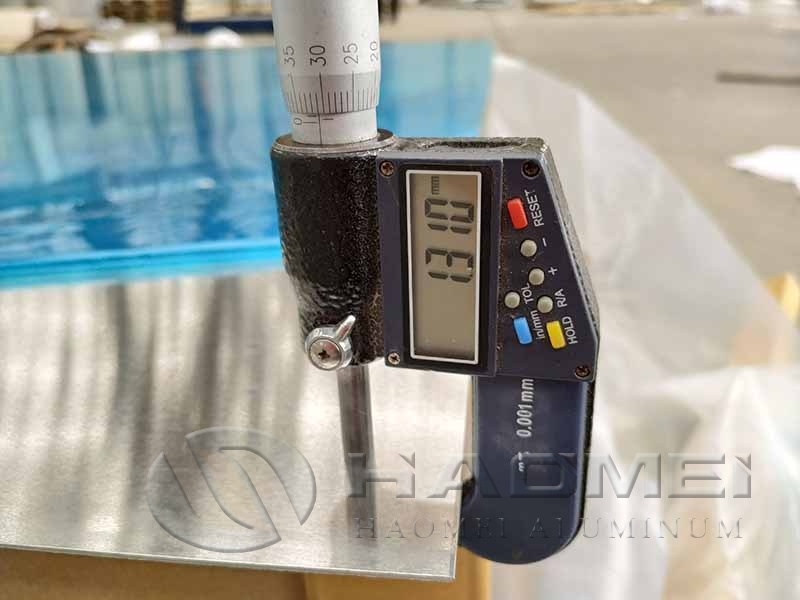
Bulk buyers usually source 6016 in sheet, coil, or slit strip for press operations; foil is less common but can be supplied depending on thickness range and rolling capability.
Product forms
6016 aluminum sheet: often cut-to-length for panel blanks and prototype runs.
6016 aluminum coil: preferred for high-volume stamping with decoilers/levelers.
6016 aluminum strip: slit from master coil for narrower press tools.
6016 aluminum foil: specify carefullymany foil applications use other alloys, so confirm suitability and minimum gauge.
What to specify on a purchase order (to reduce back-and-forth)
Alloy and temper: 6016, T4 (or O/T4P as required).
Dimensions: thickness, width, length (or coil ID/OD and max coil weight).
Surface requirement: one-side or two-side cosmetic, allowable defects, brightness, film/oil.
Tolerances: thickness tolerance, width tolerance, flatness/shape standard.
Application note: outer panel, hemming, deep draw, or structuralthis helps the supplier select process route.
Testing and documents: Mill Test Certificate, mechanicals in as-received condition, and (if needed) bake simulation results.
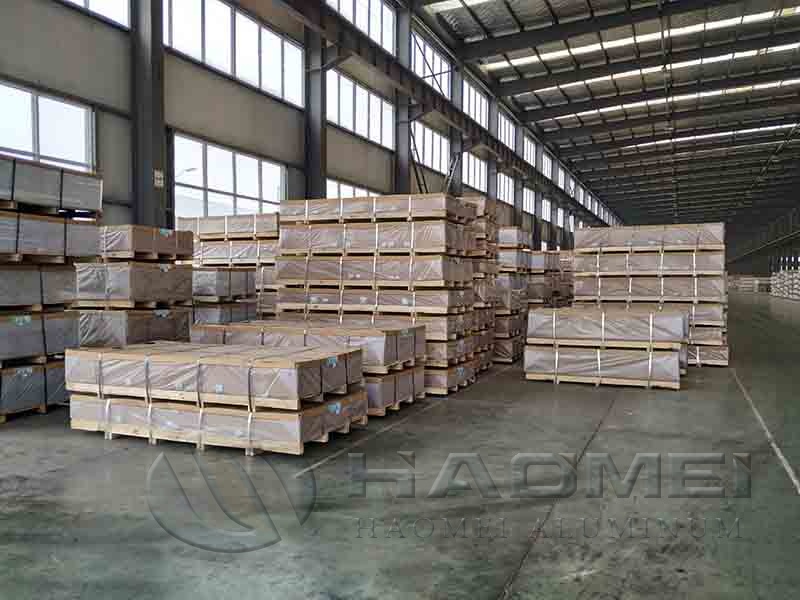
Coil logistics and packaging considerations
Because many 6016 programs run high-volume stamping, packaging is not just a shipping detailit affects yield:
Coil set and edge damage can cause press interruptions.
Moisture protection helps prevent storage staining, especially during ocean transit.
Consistent coil weight improves line scheduling and reduces changeovers.
When 6016 may not be the best choice
To avoid mis-sourcing, consider alternatives if:
You need very high strength without bake (a different temper or alloy may be better).
You need marine-grade corrosion performance (5xxx alloys are often preferred).
Your part has limited forming but high structural demand (other 6xxx/7xxx options may be evaluated).
Practical sourcing checklist (bulk buyer focused)
Confirm whether your customer specs require properties before or after bake.
Align slit direction and grain requirements with draw direction to reduce splits.
Request coil shape data if you run sensitive leveling lines.
If youre benchmarking similar automotive grades, compare forming window and BH response; for strength-target comparisons some buyers also reference 6111 aluminum plate in early material selection.
By specifying temper, surface class, and shape tolerances clearlyand by understanding bake hardeningbulk buyers can source 6016 aluminum sheet/coil/strip with fewer claims, smoother stamping performance, and more predictable final part strength.